Understanding NFPA 68: Explosion Venting Requirements for Combustible Dust Protection
Table of Contents
If your facility generates combustible dust — or if you manufacture dust-handling equipment — understanding explosion risk is not optional. Many materials, from aluminum and epoxy resin to corn and sugar, can explode when dispersed in air under the right conditions.
One of the primary methods for reducing damage from a dust deflagration is explosion venting. And when it comes to explosion venting design, NFPA 68: Standard on Explosion Protection by Deflagration Venting is the governing technical reference.
Here’s what you need to know — and how it relates to explosion relief systems like those manufactured by Philadelphia Safety Devices (PSD).
Preparing for a Combustible Dust Incident
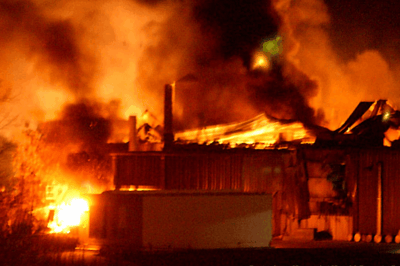
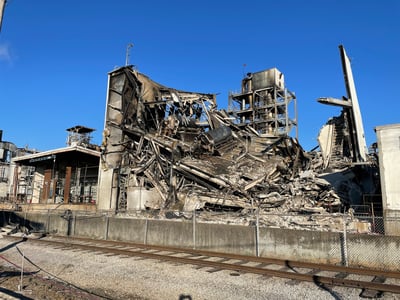
Combustible dust incidents are not rare. According to the U.S. Chemical Safety and Hazard Investigation Board, nearly one combustible dust event occurred per month between 1980 and 2005.
Prevention efforts — including housekeeping, ignition source control, and dust containment — are essential. But even well-managed facilities cannot eliminate risk entirely.
That’s why equipment susceptible to dust deflagration must be engineered to minimize damage if an event occurs.
NFPA 654 provides broad guidance on combustible dust hazards. When it comes to explosion venting specifically, NFPA 654 references NFPA 68 for detailed technical requirements.
What NFPA 68 Covers
NFPA 68 focuses on protection from deflagration, which is rapid combustion where the flame front travels slower than the speed of sound. While not as extreme as detonation, deflagration can still generate severe overpressure capable of rupturing vessels.
The purpose of NFPA 68 is to guide the proper design, sizing, installation, and maintenance of explosion venting systems used in:
- Dust collectors
- Spray dryers
- Silos
- Process vessels
- Duct systems
The standard includes guidance on:
- Vent area calculations
- Effects of panel inertia (mass)
- Use of vent ducts
- Deflector plates
- Flame arresting systems
- Isolation devices
- Documentation requirements
Why Vent Panel Inertia Matters
One key concept in NFPA 68 is vent panel inertia.
Heavier panels open more slowly, allowing pressure to rise higher before venting begins. As a result, higher inertia requires larger vent areas to achieve the same level of protection.
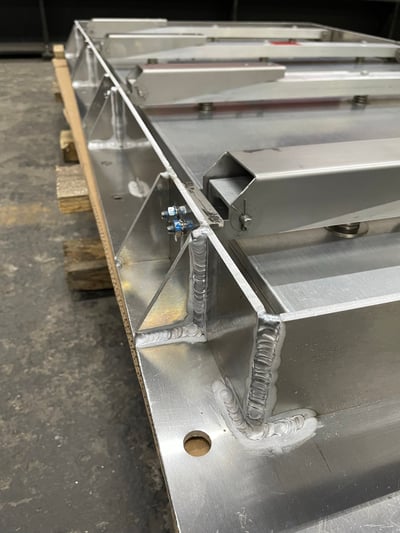
This is where engineered explosion relief doors can provide advantages. PSD explosion relief doors are designed for fast response at low preset pressures, helping reduce peak internal pressure and improve overall venting performance.
Vent Ducts and Deflectors
When venting horizontally or near occupied areas, deflector plates may be used to redirect the flame front upward. NFPA 68 provides formulas for designing these systems safely.
Vent ducts are commonly used to direct flame and pressure outside the building. However, duct length, bends, and cross-sectional area affect vent performance and must be considered in calculations.
Improperly designed ducts can reduce venting effectiveness.
Is NFPA 68 Compliance Mandatory?
NFPA develops standards but does not enforce them. Enforcement authority rests with OSHA and state-level agencies.
While NFPA 68 compliance itself is not explicitly mandatory in all cases, OSHA may reference NFPA standards under:
- Specific combustible dust standards
- The General Duty Clause
- The Combustible Dust National Emphasis Program (NEP)
In the event of an explosion, failure to follow recognized standards such as NFPA 68 could lead to citations, liability exposure, and significant financial consequences.
How to Move Toward NFPA 68 Compliance
For equipment manufacturers and designers:
- Incorporate proper vent area calculations
- Account for vent inertia
- Design appropriate ducting and deflection systems
- Maintain detailed documentation
For facility operators:
- Purchase equipment from manufacturers knowledgeable in NFPA 68
- Ensure explosion relief devices are inspected annually
- Maintain inspection and maintenance records
- Verify calibration of pressure setpoints
Working with a Deflagration Venting Specialist
Explosion venting is not guesswork. It requires engineering calculations based on:
- Material explosibility characteristics (Kst, Pmax)
- Vessel volume and geometry
- Maximum allowable working pressure
- Installation configuration
PSD specializes in explosion relief doors engineered to meet NFPA 68 venting requirements. Properly sized and calibrated explosion relief helps ensure that overpressure is vented before structural failure occurs.
If your facility handles combustible dust or designs dust-handling systems, understanding NFPA 68 — and implementing compliant explosion protection — is a critical step in safeguarding your operation.