Table of Contents
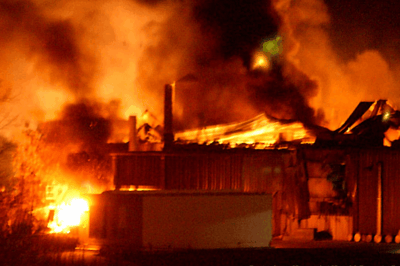
In facilities that handle combustible dusts, gases, or vapors, pressure can build in milliseconds. When ignition occurs inside a vessel or duct, that pressure must go somewhere. An explosion vent is designed to provide a controlled release path — before catastrophic failure occurs.
What Is an Explosion Vent?
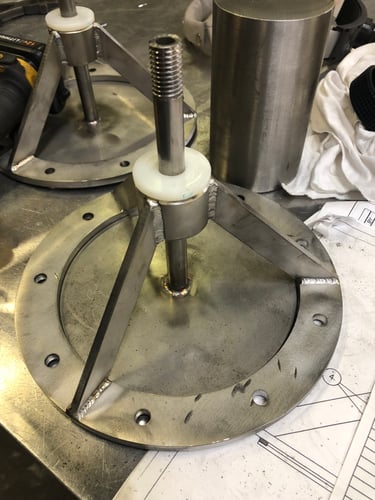
An explosion vent is a pre-scored metal membrane engineered to rupture at a specific, predetermined pressure. The scoring pattern weakens the metal in a precise way so that when internal pressure reaches the vent’s set point, it opens instantly.
This controlled opening allows expanding gases and flame to escape in a predictable direction, reducing the peak internal pressure inside the protected equipment.
In simple terms:
The vent sacrifices itself so the vessel does not.
What Happens During an Explosion?
In a typical dust explosion:
- Combustible dust becomes suspended in air.
- An ignition source sparks.
- Pressure rises extremely fast inside the enclosure.
- The explosion vent ruptures at its calibrated pressure.
- Expanding gases are vented outward.
- Internal pressure drops before the vessel fails.
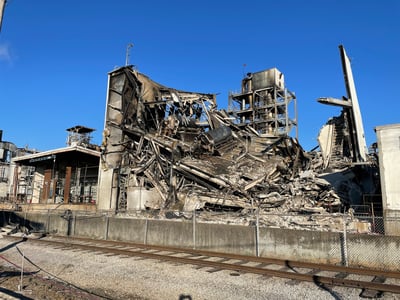
Without a vent, pressure continues rising until the enclosure tears apart at its weakest structural point. That can mean shattered ductwork, blown access panels, or structural damage to the building.
Where Are Explosion Vents Used?
Explosion vents are commonly installed on:
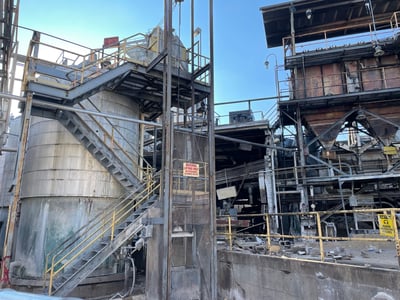
- Dust collectors
- Silos and storage bins
- Cyclones
- Process vessels
- Ductwork (where space and geometry allow)
They are especially useful in areas where explosion relief doors cannot be used due to structural or mounting limitations.
Why Explosion Vents Are Cost-Effective
Explosion vents are widely used because they offer:
- Lower upfront cost compared to mechanical door systems
- No moving hinges or latching systems
- Lightweight construction
- Simple installation on compatible equipment
For many ductwork applications or non-contained spaces, they are often the only practical explosion relief option.
Important Limitations of Explosion Vents
While effective, explosion vents have trade-offs that engineers must consider.
1. One-Time Use
Once a vent ruptures, it must be replaced. Production cannot resume until a new membrane is installed.
2. No Field Recalibration
Unlike mechanical explosion doors, vents cannot be adjusted in place.
If your process changes and requires a different burst pressure, the vent must be fully replaced.
3. Fatigue Over Time
Vent membranes are under constant pressure loading from normal process conditions. Over time, this can cause metal fatigue. Environmental conditions such as:
- Pressure cycling
- Vibration
- Corrosion
- Temperature swings
can shorten service life. Periodic inspection and scheduled replacement are critical to maintaining protection.
Explosion Vent vs. Explosion Door
While both provide explosion relief, they operate differently:
| Feature | Explosion Vent | Explosion Door |
|---|---|---|
| Operation | Ruptures | Opens and reseats |
| Reusable | No | Yes |
| Recalibratable | No | Yes |
| Maintenance | Replace after burst | Inspect and reset |
| Long-term cost | Lower upfront | Lower lifecycle |
The right solution depends on your process, pressure requirements, accessibility, and long-term maintenance strategy.
Why Proper Engineering Matters
An explosion vent must be:
- Correctly sized
- Properly oriented
- Matched to the vessel’s design pressure
- Installed in accordance with applicable safety standards
If undersized, it may not relieve pressure fast enough.
If oversized, it may compromise containment or create secondary hazards.
Protection is only effective when the system is engineered as a whole.
Final Thoughts
An explosion vent works by doing exactly what it was designed to do: rupture at a known pressure and redirect destructive energy away from your equipment and personnel.
It is a simple concept — but one that requires careful specification and ongoing maintenance.
If your facility handles combustible dust, metal powders, or explosive atmospheres, understanding how explosion relief works is not optional. It is foundational to protecting your people, your process, and your investment.