Dust Explosions: Causes, Prevention & Explosion Protection Solutions
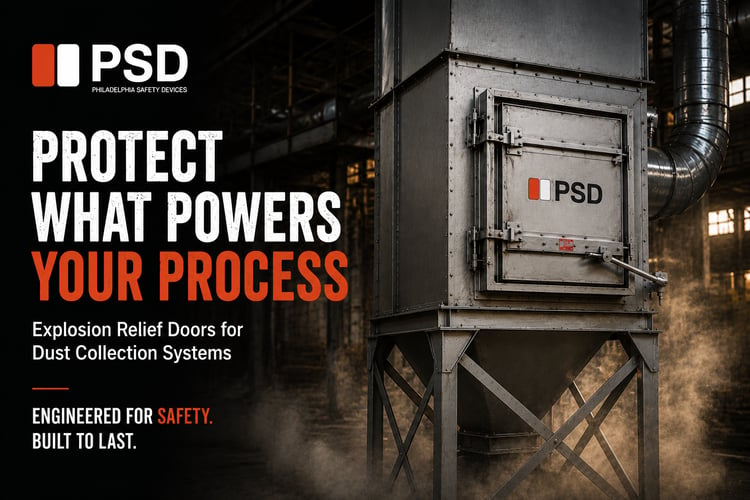
Table of Contents
How to Prevent Dust Explosions in Industrial Facilities
Introduction
Combustible dust is one of the most underestimated hazards in industrial manufacturing. Materials that appear harmless under normal operating conditions can become highly explosive when dispersed into the air and exposed to an ignition source.
Dust explosions have caused significant property damage, production losses, serious injuries, and fatalities across industries ranging from food processing and grain handling to woodworking, pharmaceuticals, chemicals, and metals manufacturing.
Understanding how dust explosions occur is the first step toward preventing them.
What Is a Dust Explosion?
A dust explosion occurs when combustible dust particles become suspended in the air and ignite within a confined space.
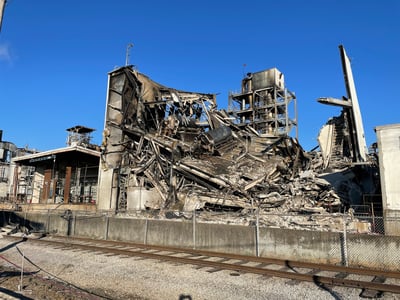
When ignition occurs, the dust burns rapidly, creating a sudden increase in pressure known as a deflagration. If pressure cannot escape quickly enough, the resulting overpressure can damage equipment, destroy facilities, and endanger workers.
Dust explosions commonly occur in:
- Dust collectors
- Silos
- Conveyors
- Process vessels
- Cyclones
- Bucket elevators
- Storage bins
Understanding the Dust Explosion Pentagon
Most people are familiar with the Fire Triangle, which identifies the three elements necessary for combustion:
- Heat
- Oxygen
- Fuel
Dust explosions require two additional elements.
Together, these five elements form what is known as the Dust Explosion Pentagon.
Fuel
The fuel source is the combustible dust itself.
Common combustible dusts include:
- Wood dust
- Grain dust
- Sugar dust
- Flour dust
- Coal dust
- Metal dust
- Plastic dust
- Pharmaceutical powders
Oxygen
Oxygen is normally supplied by the surrounding atmosphere.
Ignition Source
Ignition sources may include:
- Sparks
- Hot surfaces
- Electrical equipment
- Static electricity
- Friction
- Self-heating materials
Dispersion
Dust particles must be suspended in the air at a sufficient concentration.
Dust lying on the floor generally poses less risk than dust dispersed into the atmosphere.
Confinement
A vessel, enclosure, room, or process system must contain the dust cloud.
When pressure builds inside a confined area, an explosion can occur.
If any one of these five elements is removed, a dust explosion cannot occur.
Why Secondary Dust Explosions Are So Dangerous
Many of the most destructive industrial incidents involve secondary explosions rather than the initial event.
The First Explosion
The primary explosion often occurs inside a piece of process equipment such as a dust collector or vessel.
The Chain Reaction
The pressure wave generated by the initial explosion can disturb accumulated dust throughout the facility.
As this additional dust becomes airborne, it creates new fuel sources that can ignite almost immediately.
The resulting secondary explosion is often far larger and more destructive than the original event.
This is why housekeeping and dust management play such an important role in combustible dust safety programs.
Industries Most at Risk for Dust Explosions
Combustible dust hazards exist across numerous industries.
Some of the most commonly affected sectors include:
Wood Processing
Wood dust is one of the most frequently cited contributors to combustible dust incidents.
Facilities include:
- Sawmills
- Furniture manufacturers
- Cabinet shops
- Wood pellet facilities
Grain and Food Processing
Many food ingredients can become explosive when dispersed into the air.
Examples include:
- Flour
- Sugar
- Corn
- Starch
- Grain dust
Chemical and Pharmaceutical Manufacturing
Fine powders commonly used in chemical and pharmaceutical production can create significant explosion hazards.
Metals Processing
Certain metal dusts are highly combustible, including:
- Aluminum
- Magnesium
- Titanium
Common Causes of Dust Explosions
While every incident is unique, several causes appear repeatedly in investigations.
Poor Housekeeping
Accumulated dust can become fuel for secondary explosions.
Equipment Design Issues
Improperly designed dust collection systems can increase explosion risk.
Friction Sparks
Mechanical equipment can generate sparks capable of igniting combustible dust.
Hot Surfaces
High-temperature equipment can serve as an ignition source.
Static Electricity
Electrostatic discharge remains a common ignition source in many industries.
Dust Explosion Prevention Standards
Several standards govern combustible dust safety and explosion protection.
NFPA 654
NFPA 654 provides guidance for the prevention of fire and dust explosions involving combustible particulate solids.
The standard addresses:
- Hazard assessments
- Housekeeping
- Dust control
- Facility design
- Explosion protection
NFPA 652
NFPA 652 establishes fundamental requirements for combustible dust hazard analysis (DHA).
OSHA Requirements
OSHA continues to increase enforcement efforts involving combustible dust hazards and frequently references NFPA standards when evaluating facility safety programs.
How Explosion Relief Doors Help Protect Facilities
Explosion relief doors help eliminate one of the critical elements of the Dust Explosion Pentagon: confinement.
Controlled Pressure Relief
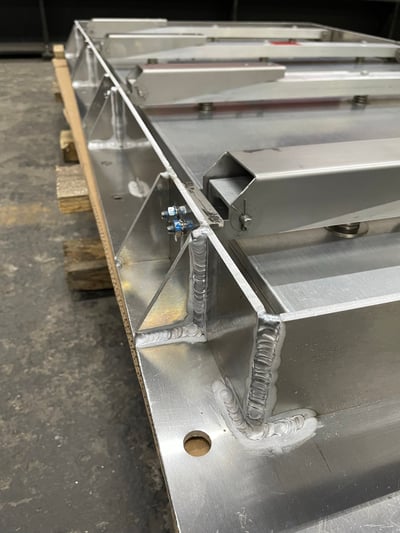
Explosion relief doors are designed to open at a predetermined pressure before vessel failure occurs.
This allows pressure to escape in a controlled manner rather than building to catastrophic levels.
Reduced Equipment Damage
By relieving pressure before structural failure occurs, explosion relief doors help protect:
- Dust collectors
- Process vessels
- Cyclones
- Conveyors
- Storage systems
Faster Recovery After an Event
Unlike rupture panels that require replacement after activation, reusable explosion relief doors can often be reset and returned to service more quickly.
This helps reduce downtime and maintenance costs.
Protecting Your Facility from Dust Explosion Risks
Combustible dust hazards cannot be eliminated entirely, but they can be managed through a combination of:
- Dust hazard analysis
- Proper housekeeping
- Equipment maintenance
- Explosion protection systems
- Employee training
- Compliance with applicable standards
Facilities that take a proactive approach to combustible dust safety are far better positioned to protect personnel, equipment, and operations.
Need Help Protecting Against Dust Explosions?
PSD designs explosion relief doors and pressure relief solutions that help industrial facilities mitigate the risks associated with combustible dust explosions.
Whether you operate a grain facility, wood products plant, food processing operation, or chemical manufacturing facility, our team can help identify the right explosion protection solution for your application.
Contact PSD today to discuss your explosion protection requirements.