Protect Glazed Openings Against Blast, Ballistic & Forced-Entry Threats
Protected windows combine specialized glazing and reinforced frames to help resist threats at vulnerable building openings. Philadelphia Safety Devices offers blast-resistant, bullet-resistant, and forced-entry-rated window systems, along with cable-catch systems that help reduce hazards from blast-driven glass fragments.
Solutions are available for government buildings, banks, embassies, industrial facilities, critical infrastructure, safe rooms, and private residences. Window dimensions, operating styles, appearance, and protection levels can be tailored to the application, with selected configurations addressing multiple threats.
Need Help Selecting the Right Protected Windows?
Our team can help evaluate your opening dimensions, threat requirements, glazing needs, and operating preferences to identify an appropriate window protection solution.

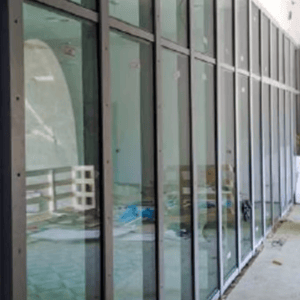
Bulletproof Windows
Bullet-resistant window systems designed to protect against specified ballistic threats while maintaining visibility. Fixed, sliding, tilt, and custom configurations are available, with options for transaction drawers and additional blast or forced-entry resistance.
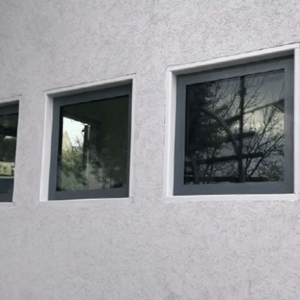
Blast-Resistant Windows
Reinforced window systems designed to resist specified explosion loads and help reduce blast-related glazing hazards. Custom configurations support industrial facilities, critical infrastructure, military sites, and public buildings, with optional ballistic and forced-entry protection.
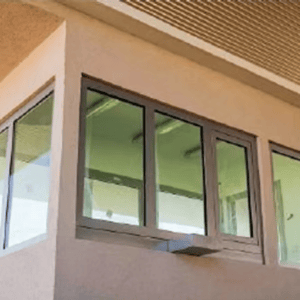
Forced-Entry-Rated Windows
Security windows combining protective glazing and reinforced frames to resist physical attacks and unauthorized access. Options include EN 1627 RC4-rated configurations for retail stores, secure facilities, high-value storage areas, and residences, with additional ballistic or blast resistance available.
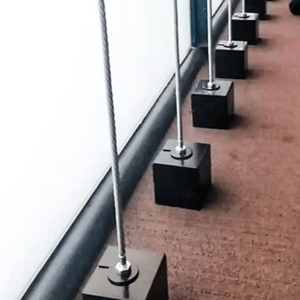
Cable-Catch Systems for Windows
Protective cable systems installed behind windows to help restrain glass fragments driven inward during an explosion. Designed to reduce hazards within occupied spaces, these systems support blast protection strategies for government buildings, transportation hubs, corporate offices, and critical infrastructure.
Deflagration vs. Detonation: Understanding the...
Common Rupture Disc Problems and How to Avoid Them