Container Protection Systems
Container Protection Systems
Harden Containers & Light Structures Against Blast and Ballistic Threats
Container Protection Systems provide a practical way to upgrade shipping containers, modular shelters, and lightweight structures for use in high-risk environments. Advanced protective materials can be incorporated to increase resistance to blast and ballistic threats without adding the excessive weight and bulk associated with traditional reinforcement methods. Systems can be configured as complete protection packages, integrating structural reinforcement with blast- and ballistic-rated doors and windows, protective ventilation components, and CBRN filtration systems based on project requirements.
- Lightweight reinforcement designed for high levels of protection
- Modular systems engineered for rapid installation and deployment
Container Protection Systems transform standard shipping containers and other lightweight structures into hardened spaces designed for demanding environments. Protective reinforcement can be added to increase resistance against blast, ballistic, and other external threats while preserving the advantages of modular construction.
Rather than treating the structure as an isolated component, the protection system can address the complete enclosure. Reinforcement, doors, windows, ventilation openings, and CBRN filtration can be coordinated to create a more comprehensive protective solution.
Container reinforcement systems are designed with modular installation and deployment in mind. Lightweight protective materials help limit unnecessary additional mass while allowing components to be installed and, where required, dismantled for relocation or redeployment.
Systems can be configured around the existing container or light structure and integrated with protective doors, windows, ventilation blast valves, and filtration equipment. Concrete walls and floors can also be incorporated when additional shelter protection is required.
Protection: Blast and ballistic protection
Construction: Advanced lightweight protective materials
Structures: Shipping containers, modular shelters, and lightweight structures
Doors & Windows: Compatible with blast- and ballistic-rated systems
Ventilation: Can incorporate protective ventilation and blast valves
CBRN Protection: Compatible with CBRN filtration and ventilation systems
Installation: Designed for straightforward installation and dismantling
Additional Reinforcement: Concrete walls and floors can be added when required
Can a standard shipping container be upgraded for blast and ballistic protection?
Yes. Shipping containers can be reinforced with specialized protective materials to increase resistance to blast and ballistic threats. The required system depends on the anticipated threats, desired protection level, and intended use of the container.
What parts of a container can be protected?
Protection can extend beyond the container walls to include doors, windows, ventilation openings, floors, and other vulnerable areas. A complete system can also incorporate blast valves and CBRN filtration and ventilation equipment.
Does reinforcement add significant weight to the container?
The systems use advanced lightweight materials specifically intended to provide substantial protection while limiting unnecessary additional weight and bulk. Final system weight will depend on the required protection configuration.
Can a protected container include CBRN filtration?
Yes. Container Protection Systems can be integrated with CBRN filtration and ventilation equipment when protection against chemical, biological, radiological, and nuclear hazards is required.
Can additional concrete protection be incorporated?
Yes. Concrete walls and floors can be added when the application requires additional sheltering or reinforcement.
Can the protection system be dismantled or relocated?
The modular systems are designed to support efficient installation and dismantling, making them suitable for applications where rapid deployment or future relocation is important.
Can PSD help develop a complete container protection package?
Yes. Philadelphia Safety Devices can help evaluate the intended application and protection requirements and coordinate structural reinforcement with protective openings, ventilation, filtration, and other required components.
- Key Features
- High-level blast and ballistic protection
- Advanced lightweight protective materials
- Modular installation and dismantling
- Integrates with blast- and ballistic-rated doors and windows
- Compatible with protective ventilation and blast valves
- CBRN filtration and ventilation integration
- Optional concrete wall and floor reinforcement
- Suitable for shipping containers and other light structures
- Industries We Serve
- Military & Defense
- Government Facilities
- Emergency Response
- Critical Infrastructure
- Utilities & Energy
- Industrial Facilities
- Common Applications
- Shipping container hardening
- Modular shelters
- Protected equipment enclosures
- Mobile command facilities
- Remote-site protection
- Temporary security structures
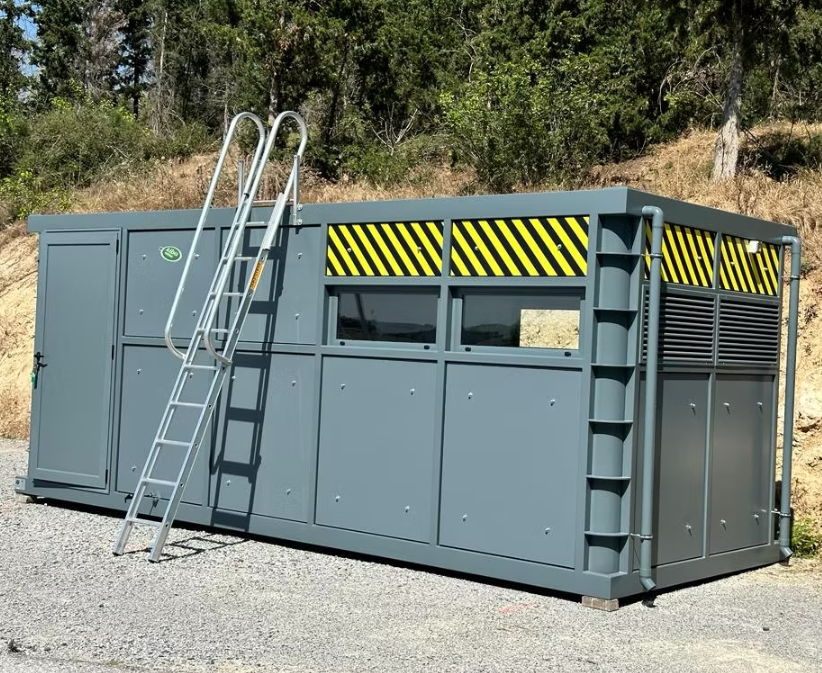
How Container Protection Systems Work
Container Protection Systems combine lightweight reinforcement materials with protective components to strengthen the enclosure against external threats. The reinforcement increases the protective performance of the container walls or lightweight structure while allowing doors, windows, ventilation openings, and other potential vulnerabilities to be addressed as part of the same system.
Depending on the required level of protection, the design can incorporate blast- and ballistic-rated openings, ventilation blast valves, CBRN filtration, and additional concrete reinforcement. This system-based approach helps maintain protection across the enclosure rather than concentrating reinforcement on the walls alone.
Why Choose a Container Protection System?
- Upgrade existing structures: Convert standard containers and lightweight buildings into more highly protected spaces.
- Limit unnecessary weight: Advanced materials provide protection without the bulk associated with many conventional reinforcement approaches.
- Create an integrated solution: Coordinate reinforcement with protective doors, windows, ventilation, and filtration.
- Support rapid deployment: Modular components are designed for efficient installation and dismantling.
- Adapt protection to the application: Systems can be configured around the specific threats and operating requirements of the project.
- Add additional hardening when needed: Concrete walls and floors can be incorporated for enhanced sheltering.
Design & Engineering Considerations
Container protection should be designed around both the anticipated threats and the intended use of the protected space. Required blast and ballistic performance, container construction, additional system weight, doors and windows, ventilation requirements, CBRN protection, mobility, and deployment requirements can all influence the final configuration.
Particular attention should be given to openings and penetrations. Reinforcing the container walls while leaving doors, windows, or ventilation openings inadequately protected can compromise the performance of the overall enclosure. Protective components should therefore be evaluated as part of one coordinated system.
For applications requiring higher levels of sheltering, additional reinforcement such as concrete walls or floors may also be considered. PSD can help project teams evaluate these requirements and determine an appropriate combination of protective components.
Why Philadelphia Safety Devices?
Philadelphia Safety Devices can help customers develop a coordinated protection package rather than sourcing individual components independently. Our team works with engineers, contractors, facility owners, and government and industrial organizations to identify solutions appropriate for the project's hazards and operating requirements.
PSD's broader protective product portfolio also allows container reinforcement to be coordinated with blast-resistant doors and windows, protective ventilation components, CBRN filtration systems, and other shelter equipment required for a complete protected space.
Contact Us to Get Started
Deflagration vs. Detonation: Understanding the...
Common Rupture Disc Problems and How to Avoid Them