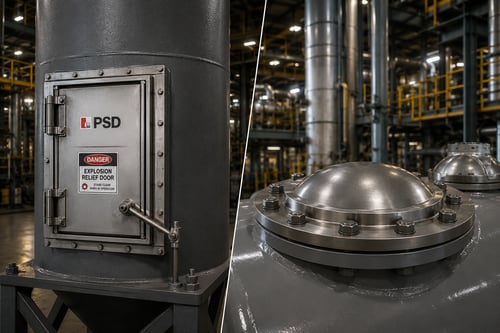
Composite Armor
Reinforce Existing Walls Against Blast & Explosion Effects
LCA Light Composite Armor Panels provide a practical way to increase the ballistic protection of walls, doors, desks, and other vulnerable areas without relying on heavy conventional armor systems. Designed for straightforward integration into new and existing structures, the lightweight panels can be installed within steel framing similar to standard drywall. They can also be cut, drilled, sanded, painted, and textured using ordinary tools, making LCA a versatile solution for projects requiring enhanced protection with manageable installation requirements.
- Ballistic protection rated up to EN 1063 BR6
- Lightweight panels designed for straightforward installation
LCA Composite Armor is an engineered panel system for upgrading the protective capabilities of individual building components or complete structures. The panels provide resistance against bullets, fragments, blast effects, and other kinetic threats while remaining lightweight and workable during installation.
The system can be incorporated into walls, doors, workstations, and other protective assemblies, making it particularly useful when existing structures require additional protection without extensive reconstruction.
LCA panels are designed for practical integration into conventional construction assemblies. They can be fitted into steel framing in a manner similar to standard drywall panels and can be cut, drilled, sanded, painted, or textured using commonly available tools.
Their relatively low weight and workability make the panels suitable for both retrofit and new-construction applications where traditional armor materials may create installation, structural, or finishing challenges.
Ballistic Resistance: Up to EN 1063 BR6
Ballistic Qualification: STANAG ballistic levels qualified
Blast Resistance: Up to 400 PSI*MSEC
Forced Entry: Level IV, ASTM F1233-98
Fire Resistance: 1 hour, ASTM E119-00
Additional Property: Provides additional electrical insulation
What are composite armor panels?
Composite armor panels are lightweight engineered panels used to increase the resistance of walls, doors, and other structures against bullets, fragments, and other kinetic threats. LCA panels provide enhanced protection without the weight and installation challenges associated with many conventional armor materials.
Can composite armor be added to an existing building?
Yes. LCA panels are well suited for retrofit applications because they can be incorporated into existing walls, doors, and other building assemblies. The appropriate installation method depends on the existing construction and required protection level.
What ballistic protection levels are available?
LCA Composite Armor provides ballistic resistance up to EN 1063 BR6 and is qualified for STANAG ballistic protection levels. The appropriate protection level should be selected based on the project's specific threat assessment and design requirements.
Can composite armor panels be cut or modified during installation?
Yes. LCA panels can be cut, drilled, sanded, painted, and textured using ordinary tools, providing greater installation flexibility than many traditional armor materials.
Does LCA Composite Armor provide protection beyond ballistic threats?
Yes. In addition to ballistic protection, LCA panels offer blast resistance up to 400 PSI*MSEC, Level IV forced-entry resistance under ASTM F1233-98, and a one-hour fire rating under ASTM E119-00.
Can PSD help specify the appropriate composite armor system?
Yes. Philadelphia Safety Devices can help review your application, required protection level, existing construction, and project requirements to identify an appropriate solution.
- Key Features
- Ballistic resistance up to EN 1063 BR6
- STANAG ballistic levels qualified
- Blast resistance up to 400 PSI*MSEC
- Level IV forced-entry rated
- One-hour fire rating
- Lightweight and impact resistant
- Can be cut and finished using ordinary tools
- Provides additional electrical insulation
- Industries We Serve
- Military & Defense
- Government Facilities
- Critical Infrastructure
- Security Facilities
- Industrial Facilities
- Utilities & Energy
- Common Applications
- Walls and structural assemblies
- Ballistic-resistant doors
- Security desks and workstations
- Safe rooms
- Guard stations
- Protected enclosures
- Facility hardening and retrofit projects
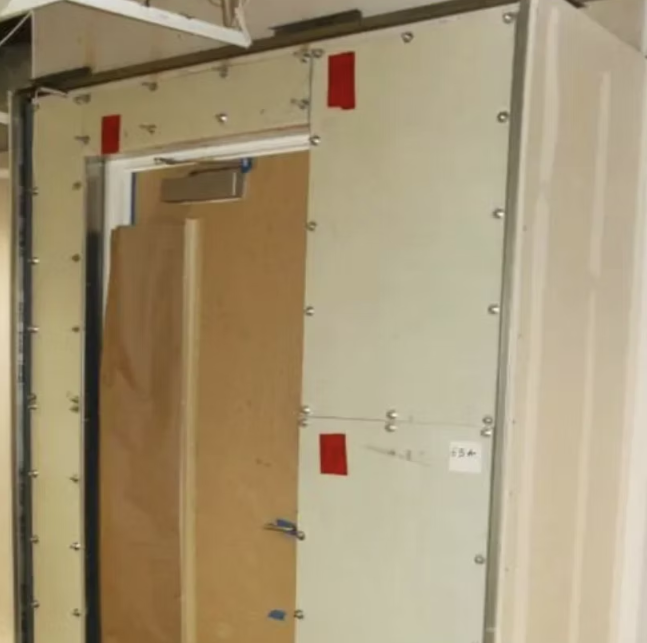
How Composit Armor Works
LCA Composite Armor adds a high-strength protective layer to walls, doors, and other building assemblies to increase their resistance to ballistic and kinetic threats. Rather than requiring massive structural components, the lightweight panel system can be integrated into conventional construction to create a hardened protective barrier.
The system's combination of ballistic, blast, forced-entry, and fire performance allows it to address multiple protection requirements within a single assembly. This makes it particularly useful when an existing facility needs to be hardened without completely rebuilding the underlying structure.

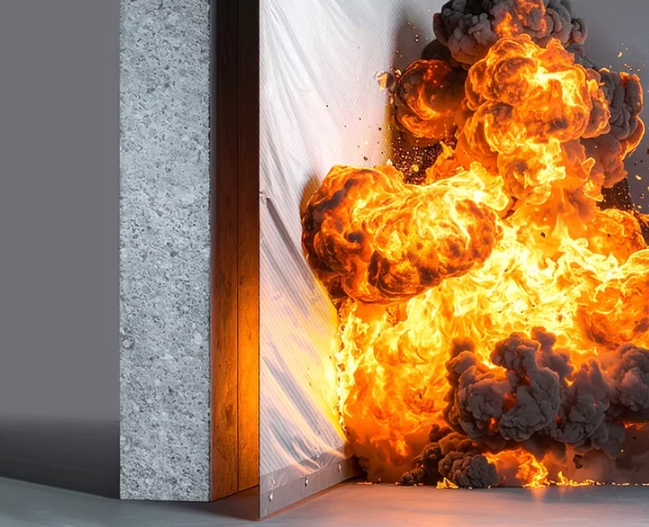
Why Choose Blast Mitigation Fabric
- Upgrade existing structures: Increase ballistic protection without extensive reconstruction.
- Reduce structural burden: Lightweight construction can simplify integration compared with heavier armor solutions.
- Simplify installation: Panels can be cut, drilled, sanded, painted, and textured using ordinary tools.
- Address multiple threats: Provides ballistic, blast, forced-entry, and fire protection capabilities.
- Maintain design flexibility: Suitable for walls, doors, desks, and a variety of protective assemblies.
Design & Engineering Considerations
Composite armor should be specified according to the threats the protected area is expected to encounter rather than simply selecting the highest available protection level. Ballistic requirements, potential blast loads, forced-entry concerns, existing wall construction, available space, structural loading, and the location of doors and other openings can all influence system design.
For retrofit projects, the existing assembly should also be evaluated to determine how the panels can be incorporated while maintaining continuity of protection across joints, penetrations, openings, and adjacent building components. Doors, windows, frames, and other vulnerable areas may require complementary protective systems to avoid creating weak points within the hardened envelope.
Philadelphia Safety Devices can work with project teams to evaluate these requirements and identify an appropriate protection strategy for the application.

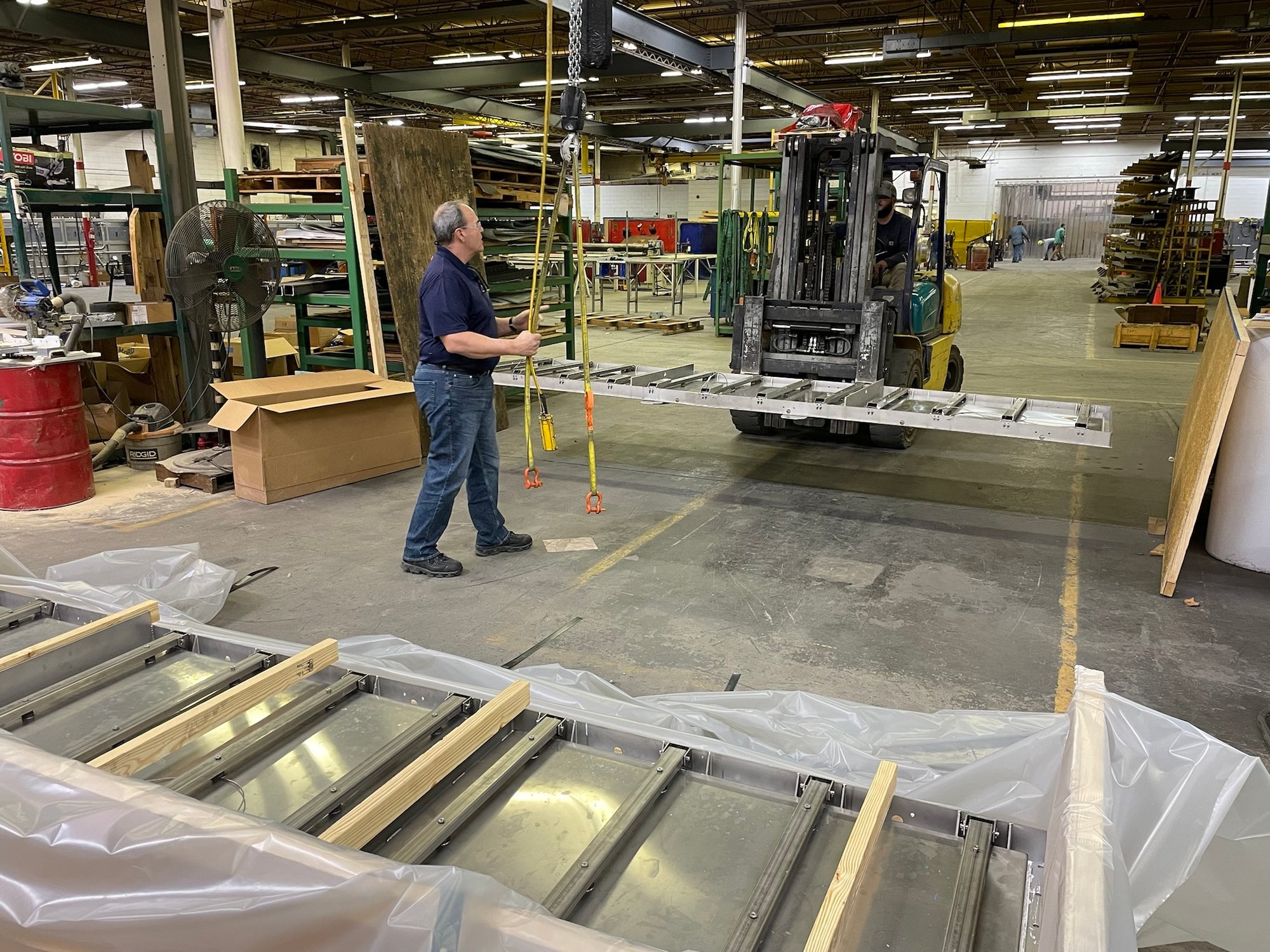
Why Philadelphia Safety Devices?
Philadelphia Safety Devices helps customers approach facility protection as a complete system rather than a collection of individual components. Our team can assist engineers, contractors, facility owners, and EPC firms with product selection and technical guidance based on the specific hazards and performance requirements of the project.
When composite armor is part of a broader hardening strategy, PSD can also help coordinate complementary solutions for blast-resistant openings, structural reinforcement, shelters, air-management systems, and other protective requirements.
Contact Us to Get Started
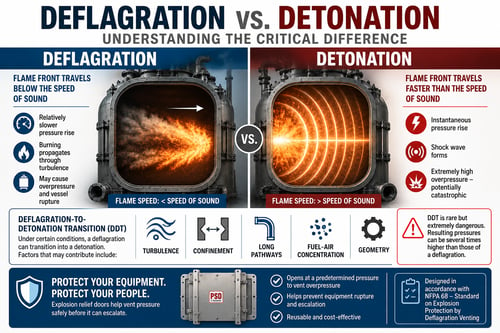
Deflagration vs. Detonation: Understanding the...
Common Rupture Disc Problems and How to Avoid Them