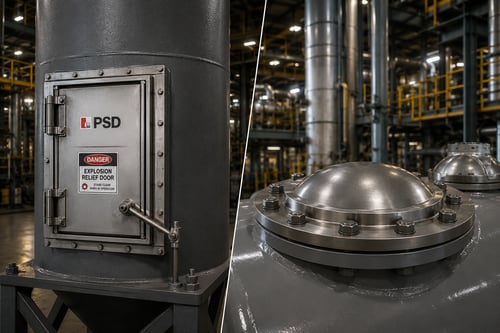
Blast Mitigation Fabric
Blast Mitigation Fabric
Reinforce Existing Walls Against Blast & Explosion Effects
Blast Mitigation Fabric is an engineered reinforcement system designed to strengthen existing walls against blast overpressure and explosion hazards. Installed on interior or exterior concrete and masonry walls, the fabric helps reduce structural failure by dispersing blast forces across the reinforced surface.Ideal for retrofit projects and new construction, Blast Mitigation Fabric enhances facility resilience while minimizing disruption to existing operations.
- Reinforces existing concrete and masonry walls
- Reduces wall fragmentation during blast events
Blast Mitigation Fabric is designed for facilities where upgrading or replacing existing walls is impractical or cost-prohibitive. By reinforcing concrete and masonry wall assemblies, the system helps improve structural performance during blast events while reducing debris hazards and supporting occupant safety.
Suitable for retrofit and new construction projects, Blast Mitigation Fabric integrates with broader blast protection strategies for industrial, government, military, and critical infrastructure applications.
Blast Mitigation Fabric can be installed on interior or exterior concrete and masonry walls, depending on the protection objectives and facility design. Installation methods vary based on wall construction, environmental conditions, and project requirements.
For optimal performance, installation should be completed in accordance with engineering recommendations and coordinated with any related blast protection systems.
What is Blast Mitigation Fabric?
Blast Mitigation Fabric is an engineered reinforcement system that strengthens existing walls to help reduce structural damage and fragmentation during blast or explosion events. It is commonly used to improve the resilience of critical facilities.
Can Blast Mitigation Fabric be installed on existing buildings?
Yes. Blast Mitigation Fabric is well suited for retrofit applications and can also be incorporated into new construction projects. Installation requirements vary depending on the wall construction and project objectives.
What types of walls can Blast Mitigation Fabric reinforce?
The system is commonly installed on concrete, reinforced concrete, and masonry walls. Our engineering team can evaluate your facility to determine compatibility and recommend the appropriate solution.
What facilities benefit from Blast Mitigation Fabric?
Blast Mitigation Fabric is used in military installations, government buildings, industrial facilities, chemical plants, utilities, data centers, and other critical infrastructure where enhanced blast protection is required.
Can Philadelphia Safety Devices help determine if Blast Mitigation Fabric is right for my project?
Absolutely. Our engineering team can review your application, facility requirements, and protection goals to recommend the most appropriate reinforcement solution—at no cost and with no obligation.
- Key Features
- High-strength fabric reinforcement system
- Interior or exterior wall installation
- Suitable for retrofit and new construction
- Compatible with concrete and masonry walls
- Fire-retardant construction
- Paintable finished surface
- Industries We Serve
- Military & Defense
- Government Facilities
- Utilities & Energy
- Chemical Processing
- Oil & Gas
- Manufacturing
- Data Centers
- Critical Infrastructure
- Common Applications
- Hardened facilities
- Blast-resistant rooms
- Security buildings
- Control rooms
- Utility buildings
- Process facilities
- Equipment protection
- Critical infrastructure
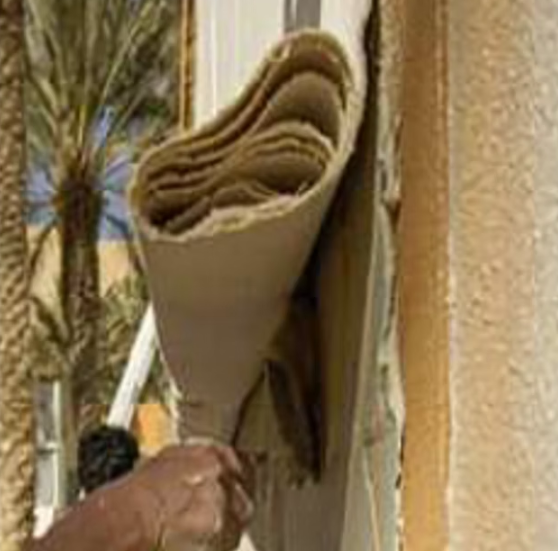
How Blast Mitigation Fabric Works
Blast Mitigation Fabric is an engineered reinforcement system designed to improve the performance of existing walls during a blast event. When properly installed, the high-strength fabric works with the wall assembly to help distribute blast loads across a larger surface area, reducing fragmentation and minimizing structural damage.
Unlike traditional structural upgrades that may require extensive demolition or reconstruction, Blast Mitigation Fabric can often be incorporated into retrofit projects with less disruption. The system is suitable for both new construction and existing facilities where additional blast protection is desired.
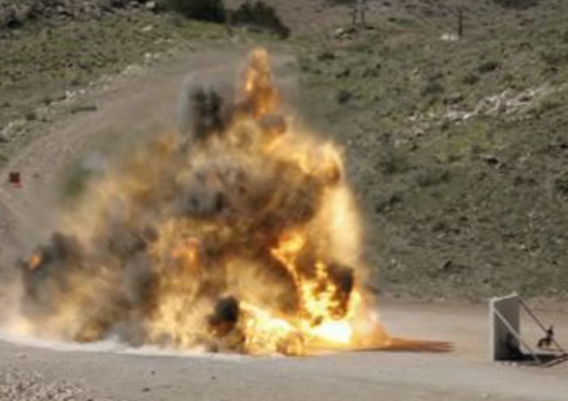
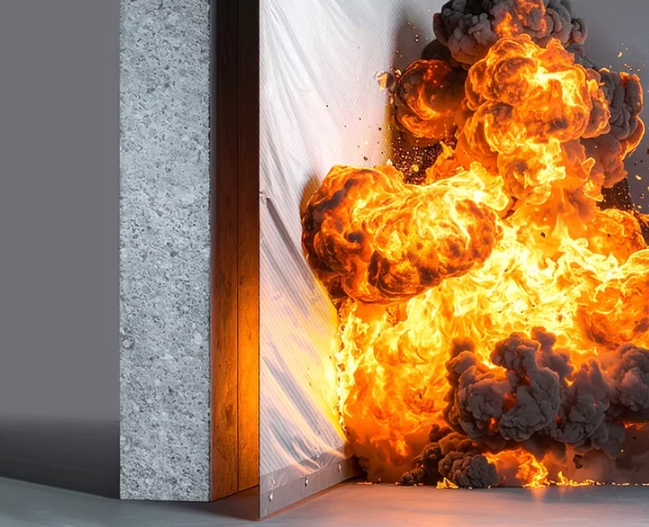
Why Choose Blast Mitigation Fabric
- Reinforces existing concrete and masonry walls against blast forces
- Helps reduce hazardous wall fragmentation and flying debris
- Suitable for both retrofit projects and new construction
- Minimizes the need for costly structural reconstruction
- Can be installed on interior or exterior wall surfaces
- Supports long-term protection of personnel, equipment, and critical infrastructure
Design & Engineering Considerations
Selecting the appropriate wall reinforcement solution depends on the specific facility, construction methods, and protection objectives. Factors such as wall composition, expected blast loads, occupancy, and integration with other protective systems should all be evaluated during the design process.
Philadelphia Safety Devices recommends reviewing each application with experienced engineers to determine the most effective reinforcement strategy. Proper system selection and installation help maximize performance while ensuring compatibility with the surrounding structure.
Why Philadelphia Safety Devices?
Philadelphia Safety Devices combines decades of experience in explosion protection with access to a broad portfolio of complementary protective solutions. Our team works closely with engineers, EPC firms, contractors, and facility owners to recommend products that meet each project's unique safety and performance requirements.
From initial application review through product selection and technical support, we're committed to helping customers protect people, equipment, and critical infrastructure with practical, engineered solutions.
Contact Us to Get Started
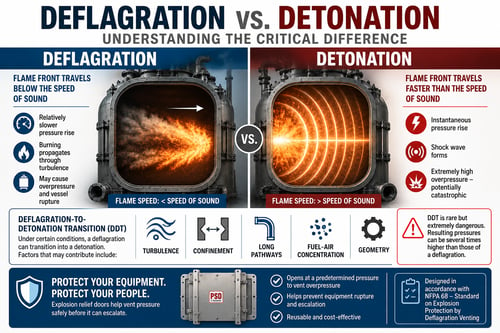
Deflagration vs. Detonation: Understanding the...
Common Rupture Disc Problems and How to Avoid Them