Vacuum Relief Valves
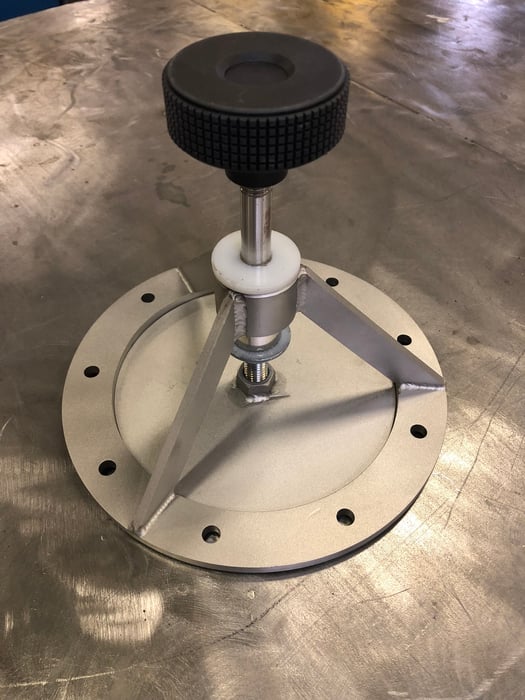
Vacuum relief valves are designed to protect vessels and equipment from damage caused by vacuum conditions and implosion. In systems where pressure can rapidly drop—such as after an explosion event or from cooling gases—proper vacuum relief is essential to maintaining structural integrity. By allowing air to enter and equalize pressure, vacuum relief valves help safeguard equipment, reduce risk, and support safe, reliable operation.
- Reliable pressure relief when it matters most
- Built for demanding industrial environments
- Helps prevent damage from vacuum conditions and implosion
- Supports safe operation in pressure-sensitive systems
- Designed for consistent, repeatable performance
- Custom-engineered to meet specific application requirements
- Provides added protection in systems using membranes or rupture discs
- Manufactured with durable, high-quality materials for long-term use
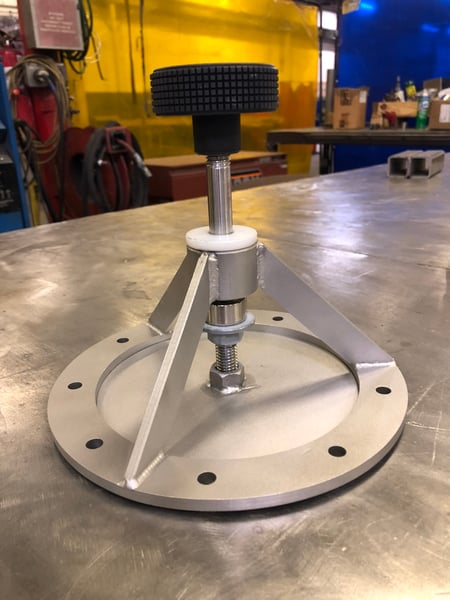
Vacuum relief valves should be installed on vessels or systems where vacuum conditions may develop, allowing air to enter and equalize pressure before damage occurs. Proper placement is essential to ensure unobstructed airflow and effective operation, and installation should be aligned with the specific requirements of the application and relevant safety guidelines.
Vacuum relief valves must be properly sized based on the vessel volume, expected vacuum conditions, and process characteristics to ensure effective pressure equalization. Correct sizing helps prevent implosion and ensures the valve can respond appropriately to changes in internal pressure, supporting safe and reliable operation.
What is a vacuum relief valve?
A vacuum relief valve allows air into a system to relieve vacuum conditions and help prevent equipment damage or implosion.
When are vacuum relief valves needed?
They are used in systems where pressure can drop rapidly, such as from cooling gases or after an overpressure event.
How does a vacuum relief valve work?
The valve opens at a calibrated vacuum level, allowing air to enter the system and equalize pressure.
Can vacuum relief valves be adjusted?
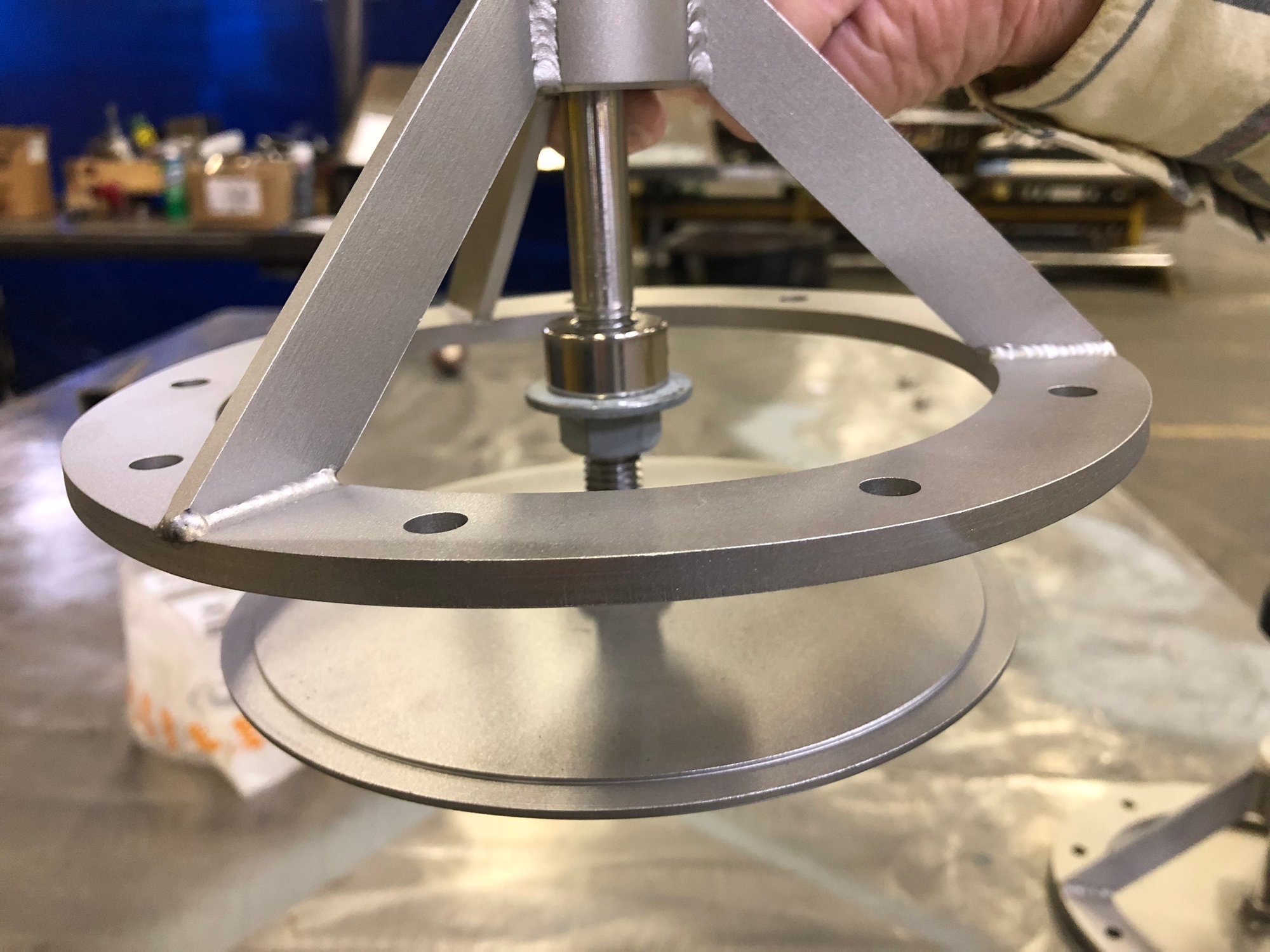
Yes, PSD valves use adjustable magnet systems to set the desired opening vacuum level.
Where are vacuum relief valves typically installed?
They are installed on vessels or systems where vacuum conditions may develop and pressure equalization is required.
Vacuum Relief Valves
Vacuum relief valves are designed to protect vessels and equipment from damage caused by vacuum conditions. When internal pressure drops, the valve allows air to enter the system and equalize pressure, helping prevent implosion and maintain structural integrity.
Explosion Relief Doors
Explosion relief doors are designed to protect against overpressure events by opening to vent expanding gases from within a vessel or enclosure. This controlled release helps reduce the risk of structural damage and supports safer operation in combustible dust and pressure-sensitive environments.
- Key Features
- Constructed from 300 series stainless steel (type specified per application)
- Designed with PTFE and other materials for positive sealing
- Adjustable rare-earth magnet system for calibrated opening
- Adjustable up to 14″ WC vacuum
- Available in sizes up to 14 inches in diameter
- Built for durability and long-term performance
- Industries We Serve
- Food Processing
- Chemical Manufacturing
- Pharmaceuticals
- Metalworking
- Plastics & Rubber
- Agriculture
- Energy & Industrial Processing
- Common Applications
- Process vessels where vacuum conditions may occur
- Systems using rupture discs or membranes that require vacuum protection
- Equipment exposed to cooling gases that can create internal vacuum
- Sealed or closed systems with pressure fluctuations
- Dust collection and material handling systems
- Industrial equipment handling gases or fine particulate materials
- Applications requiring protection against implosion and structural damage

Use this space to highlight a key product feature or benefit.
Why Choose PSD Vacuum Relief Valves?
-
Engineered for reliable performance in vacuum conditions
-
Helps protect equipment from implosion and structural damage
-
Adjustable design for precise vacuum setpoints
-
Constructed with durable, high-quality materials
-
Custom-built to meet specific application requirements
-
Manufactured in the U.S.A. with domestically sourced materials
-
Suitable for regulated and government projects
-
Designed to complement existing explosion protection systems


How Vacuum Relief Valves Work
-
Internal pressure drops and a vacuum begins to form within the vessel
-
The valve reaches its calibrated vacuum setpoint
-
The valve opens to allow air to enter the system
-
Pressure is equalized, helping prevent implosion or structural damage
-
The valve remains open to protect against continued vacuum conditions
Design & Engineering Considerations
Explosion protection and vacuum relief systems must be properly engineered for each application. Performance depends on factors such as vessel size, operating conditions, material characteristics, and system configuration.
-
Equipment volume and geometry
-
Material behavior and process conditions
-
Expected pressure or vacuum ranges
-
System airflow and temperature conditions
-
Placement and integration with other safety devices
Proper evaluation ensures the selected solution performs as intended and provides effective protection.


Why Philadelphia Safety Devices?
-
Serving industry since 1975
-
5,000+ installations
-
Proven performance across industries
-
Engineered safety solutions