


Industries We Serve

food_processing

Food Processing

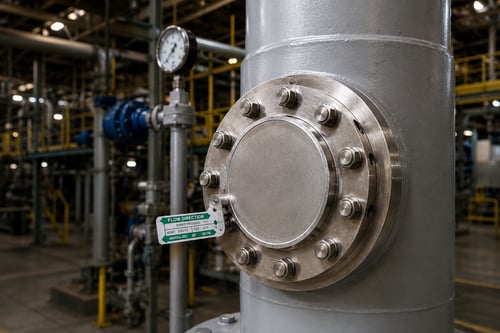
 Sugar, flour, and starch dust create serious explosion risk in food facilities. Philadelphia Safety Devices (PSD) explosion relief doors provide calibrated, reusable overpressure venting for dust collectors, silos, and processing equipment—reducing downtime compared to single-use rupture panels. 

lumber_mill

Woodworking & Lumber Mills

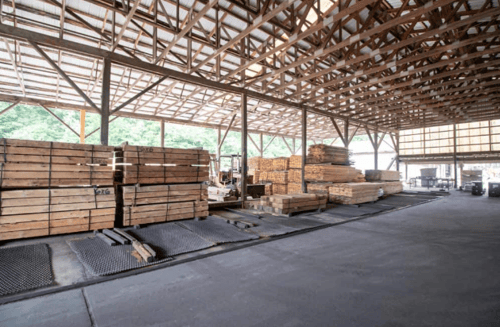
Sawdust and wood flour are highly combustible in milling environments. PSD explosion relief doors deliver precise, reusable explosion venting for collectors and processing systems, offering durable protection and lower lifecycle cost than disposable vent panels.

pharmaceutical_production

Pharmaceuticals

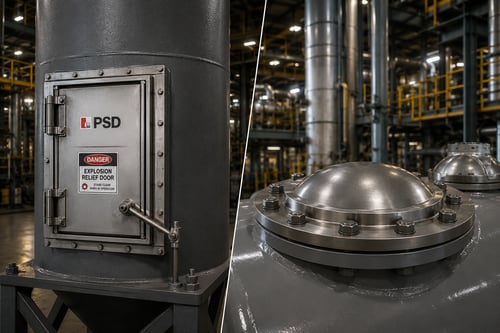
Blending and milling operations can generate combustible pharmaceutical dust. PSD explosion relief doors provide engineered, calibrated overpressure protection for process equipment, helping maintain safety while minimizing disruption after a deflagration event.

chemical_manufacturing

Chemical Manufacturing

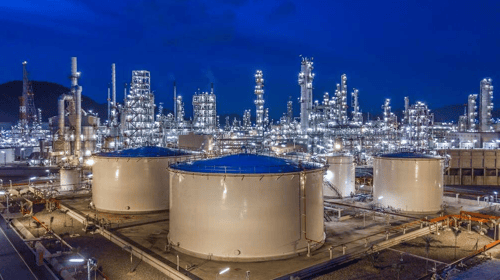
Fine chemicals and specialty compounds can create combustible dust hazards. PSD explosion relief doors provide repeatable, pressure-calibrated venting for vessels and collectors, delivering reliable protection without the recurring cost of rupture panel replacement.

metalworks-768x510

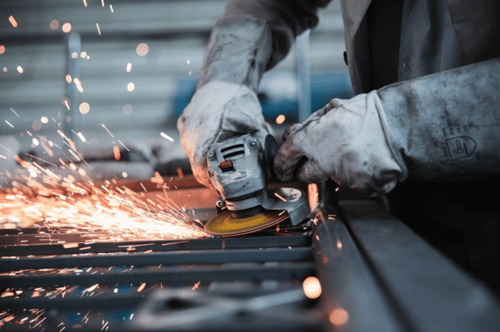
Metalworking

Grinding and cutting operations produce combustible metal dust. PSD explosion relief doors provide fast, controlled overpressure venting for dust collection and processing systems, helping limit damage and reduce operational downtime.

textiles-768x508

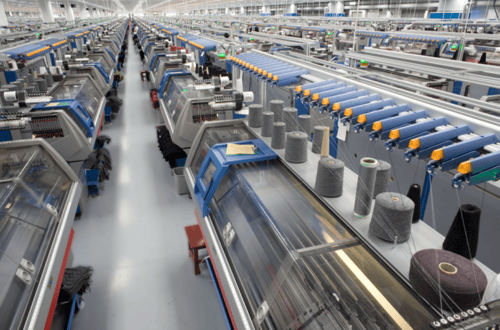
Textiles

Airborne cotton and synthetic fibers can create combustible atmospheres. PSD explosion relief doors deliver dependable, calibrated explosion venting for textile facilities, supporting safer production environments and long-term equipment protection.

coal_mining

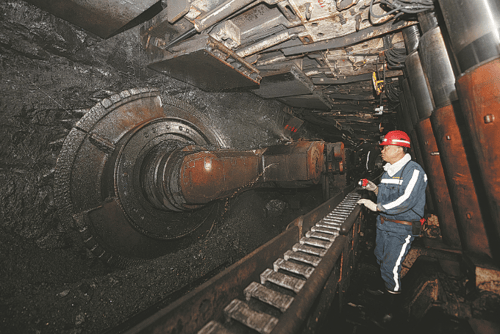
Coal Mining & Handling

Coal dust presents significant explosion risk in storage and conveying systems. PSD explosion relief doors provide rugged, pressure-calibrated venting designed for demanding industrial environments.

plastic_and_rubber_manufactring

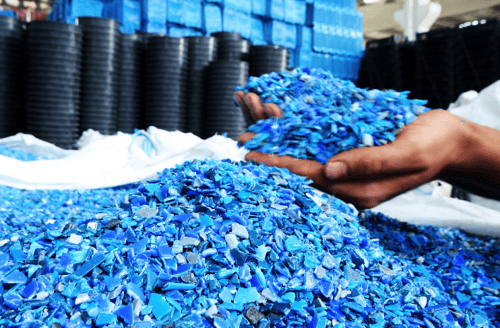
Plastics & Rubber Manufacturing

Polymer dust and resins can become combustible during processing. PSD explosion relief doors provide precise, reusable overpressure protection for conveying and compounding systems.

recycling_fascilities

Recycling Facilities

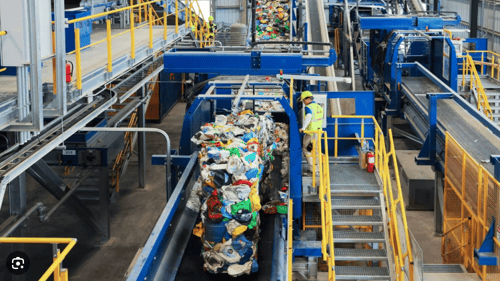
Mixed-material recycling operations generate varied combustible dust hazards. PSD explosion relief doors offer engineered, repeatable explosion venting suited for complex industrial environments.

argricultural_silos

Agriculture

Grain dust in silos and feed systems creates serious explosion potential. PSD explosion relief doors provide calibrated venting for bulk storage and handling equipment to help protect people and property.


Don’t See Your Industry Listed?

Many industries handle combustible dust, gases, or overpressure risks—even if they are not traditionally categorized as high-hazard environments.

Philadelphia Safety Devices (PSD) provides explosion relief doors for a wide range of industrial applications beyond the sectors listed above. If your facility uses dust collection systems, bulk material handling equipment, silos, bins, or enclosed process vessels, explosion venting may be required.

Our team works directly with engineers, plant managers, and OEMs to evaluate your application and recommend properly calibrated explosion relief door solutions.

If you’re unsure whether PSD is the right fit for your industry, we encourage you to reach out. We’ll help determine the appropriate protection for your specific process and facility.

Contact Us to Get Started

Recent Blog Articles

When to Replace an Explosion Relief Door: Key...

When to Replace an Explosion Relief Door: Key...

Explosion relief doors are engineered safety devices. If you’re operating older equipment — or your...
Read More
Understanding NFPA 68: Explosion Venting...

Understanding NFPA 68: Explosion Venting...

If your facility generates combustible dust — or if you manufacture dust-handling equipment —...
Read More
Deflagration vs. Detonation: Understanding the...

Deflagration vs. Detonation: Understanding the...

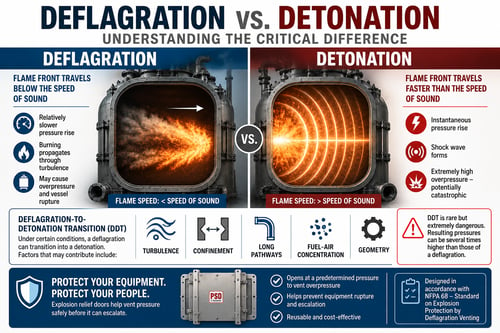
Many industrial and food production processes operate under elevated pressures or generate...
Read More